
Transform Your Home's Energy Efficiency Today

In a world where energy costs are rising and environmental concerns are at the forefront, transforming your home’s energy efficiency is not just a smart choice; it’s a necessity. By making simple changes, you can significantly reduce your energy consumption, lower your utility bills, and contribute to a healthier planet. This guide will walk you through practical steps to enhance your home's energy efficiency, making it more comfortable and sustainable.
Understanding Energy Efficiency
Energy efficiency refers to using less energy to perform the same task or activity. For homeowners, this means improving the performance of appliances, heating and cooling systems, and insulation to reduce energy waste. The benefits of energy efficiency include:
Lower Utility Bills: Efficient homes consume less energy, leading to reduced monthly costs.
Increased Comfort: Proper insulation and efficient heating/cooling systems create a more comfortable living environment.
Environmental Impact: Reducing energy consumption lowers greenhouse gas emissions, contributing to a healthier planet.
Assessing Your Current Energy Use
Before making changes, it’s essential to understand your current energy consumption. Here are steps to assess your energy use:
Review Your Utility Bills: Look at your monthly energy bills to identify patterns and peak usage times.
Conduct an Energy Audit: Consider hiring a professional to perform an energy audit. They can identify areas of improvement and suggest specific upgrades.
Use Energy Monitoring Tools: Smart meters and energy monitors can provide real-time data on your energy consumption.
Simple Upgrades for Immediate Impact
Insulation and Sealing
One of the most effective ways to improve energy efficiency is by enhancing your home’s insulation. Proper insulation keeps your home warm in the winter and cool in the summer, reducing the need for heating and cooling systems.
Attic Insulation: Ensure your attic is well-insulated. This can prevent heat loss and save you up to 20% on heating costs.
Seal Gaps and Cracks: Use caulk or weatherstripping to seal gaps around windows, doors, and other openings. This simple step can significantly reduce drafts and energy loss.
Energy-Efficient Appliances
Replacing old appliances with energy-efficient models can lead to substantial savings. Look for appliances with the ENERGY STAR label, which indicates they meet strict energy efficiency guidelines.
Refrigerators: Modern refrigerators use about 50% less energy than models from the 1970s.
Washing Machines: High-efficiency washers use less water and energy, saving you money on both utility bills.
Smart Thermostats
Installing a smart thermostat allows you to control your home’s heating and cooling systems more efficiently. These devices learn your schedule and adjust temperatures accordingly, optimizing energy use.
Programming Features: Set schedules for when you are home and away to avoid unnecessary heating or cooling.
Remote Access: Many smart thermostats can be controlled via smartphone apps, allowing you to adjust settings on the go.
Renewable Energy Options
Incorporating renewable energy sources into your home can drastically reduce your reliance on traditional energy sources. Here are some options to consider:
Solar Panels
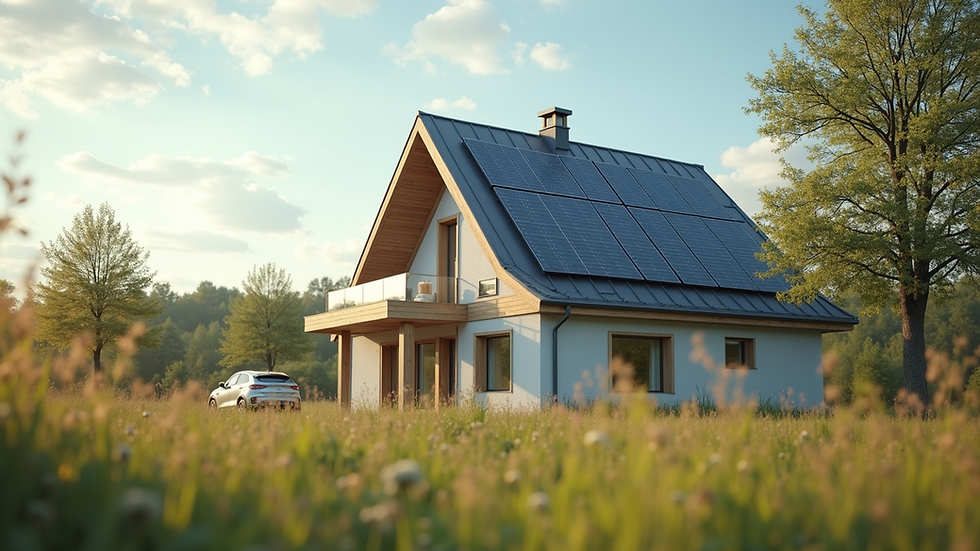
Installing solar panels can provide a significant portion of your home’s energy needs. While the initial investment can be high, many homeowners find that the long-term savings on energy bills make it worthwhile.
Tax Incentives: Many regions offer tax credits and rebates for solar panel installation, reducing the overall cost.
Net Metering: If your solar system produces more energy than you use, you may be able to sell excess energy back to the grid.
Wind Turbines
If you live in a suitable area, small wind turbines can be an effective way to generate your own electricity. These systems can complement solar panels and provide additional energy savings.
Landscaping for Energy Efficiency
Your home’s landscaping can also play a role in energy efficiency. Strategic planting can provide shade in the summer and wind protection in the winter.
Deciduous Trees: Planting trees that lose their leaves in winter can block summer sun while allowing sunlight to warm your home in winter.
Windbreaks: Use shrubs and trees to create windbreaks that reduce heating costs in colder months.
Behavioral Changes for Energy Savings
Sometimes, the most significant changes come from simple behavioral adjustments. Here are some habits to adopt for better energy efficiency:
Turn Off Lights: Make it a habit to turn off lights when leaving a room.
Unplug Devices: Many electronics consume energy even when turned off. Unplug devices or use power strips to easily disconnect multiple devices at once.
Use Natural Light: Take advantage of daylight by opening curtains and blinds instead of relying on artificial lighting.
Government Programs and Incentives
Many governments offer programs and incentives to encourage homeowners to improve energy efficiency. Research local programs that may provide financial assistance or rebates for energy-efficient upgrades.
Energy Efficiency Grants: Some regions offer grants for homeowners who make significant energy-efficient improvements.
Low-Interest Loans: Look for low-interest loans specifically designed for energy-efficient home upgrades.
Conclusion
Transforming your home’s energy efficiency is a journey that begins with small, manageable steps. By assessing your current energy use, making simple upgrades, and considering renewable energy options, you can create a more efficient and sustainable home. Not only will you save money on utility bills, but you will also contribute to a healthier environment for future generations. Start today by implementing one or two of these strategies, and watch as your home becomes a model of energy efficiency.
Take action now and make your home a more energy-efficient space!



Comments